

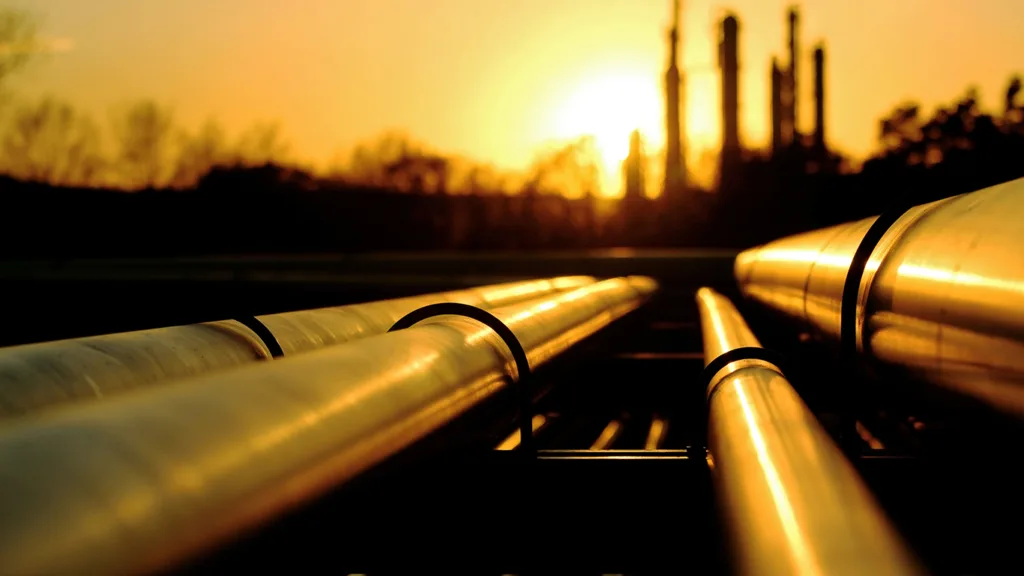
The chemical analysis of natural gas is necessary to understand the processes required to safely transform the gas into a useable fuel, and to determine its monetary value. Prior to analysis, natural gas must be made suitable for introduction into analysis equipment (analyzers), a process known commonly as “sample conditioning.”
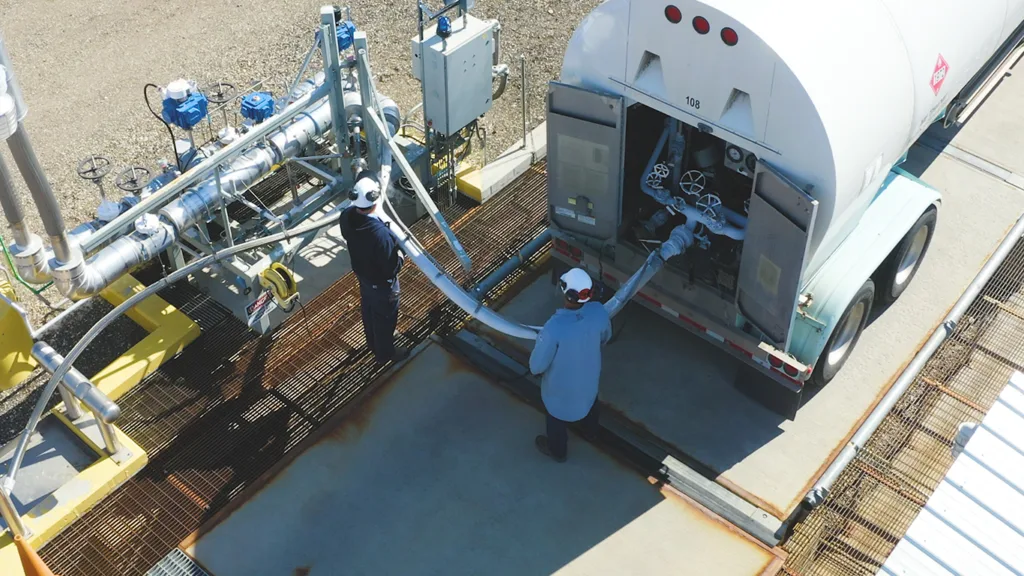
The energy content of Liquefied Natural Gas (LNG) varies considerably depending on the composition. The average energy value of bulk container LNG changes with time (ages). The methane evaporates at a different rate than the other components. These facts in combination with the difficulties associated with cryogenic fluid (LNG’s boiling point of -162°C) makes LNG an unusual and very challenging liquid to measure.
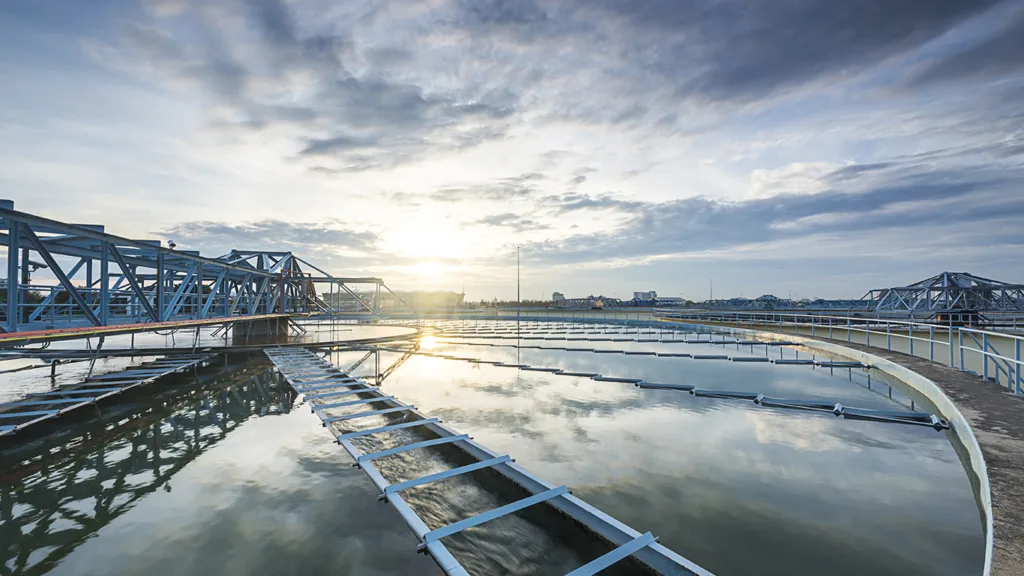
Renewable Natural Gas (RNG) is cleaned and conditioned Biogas with reduced H2S, H2O, CO2, N2 and other contaminates. Both Biogas and RNG should go through sample conditioning and analysis to confirm it is purified pipeline-quality fuel.
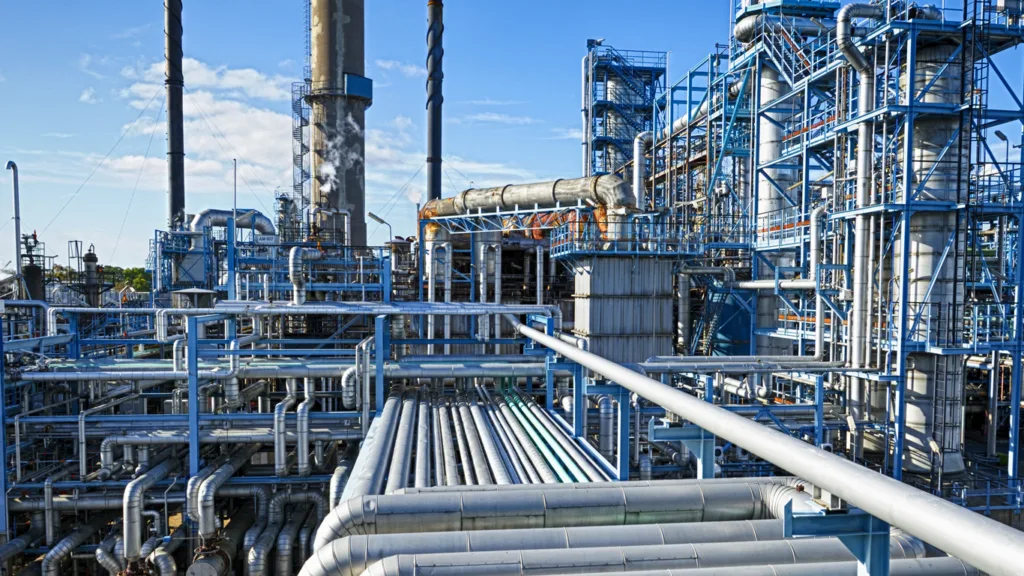
Natural Gas Liquids (NGL’s) are found naturally within natural gas formations but change physical states (gas, liquid, or solid) depending upon the pressure and temperature. Safe handling and appropriate processing of Natural Gas Liquids requires intimate knowledge of phase behavior and control.
There are two things I really hate: high gasoline prices and daylight saving time (DST). You may not connect the two topics but if
About three years ago, I wrote an article in BIC Magazine describing my interactions with students at a measurement school during a class on
Mustang Sampling, a leader in Analytically Accurate® measurement, control, and sampling solutions for global energy and industrial markets, is pleased to announce the appointment